
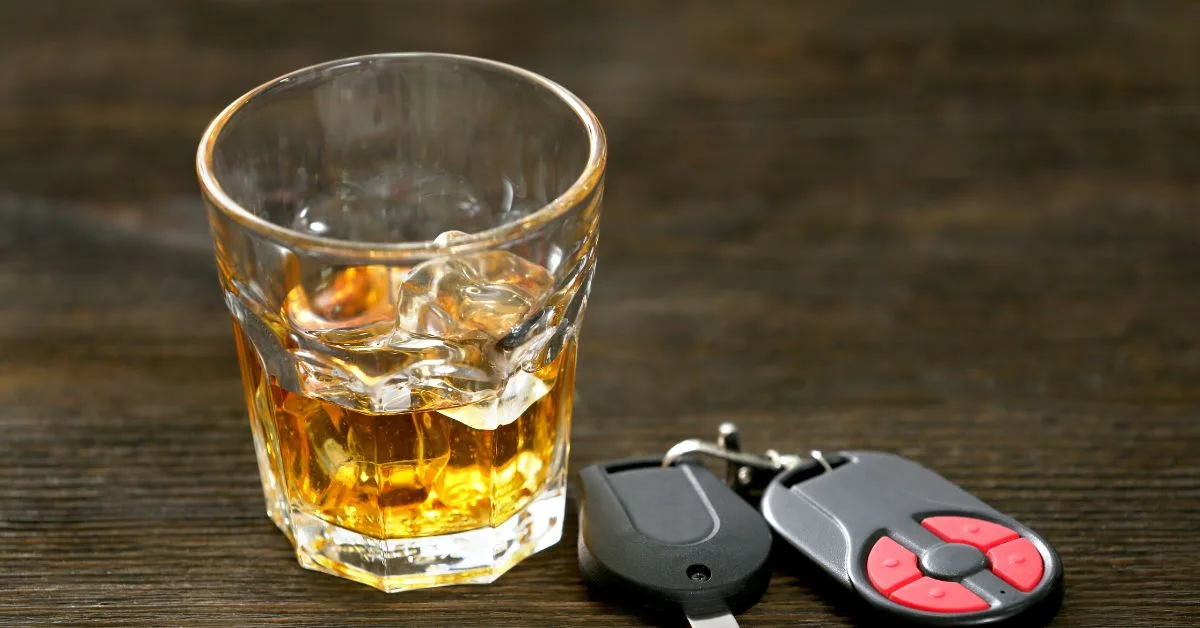
Our client, Marcus, was facing a high range drink driving charge that could have sent him to prison and jeopardised his future. Born overseas, Marcus arrived as a teenager in Australia with limited English and no connections. He struggled to communicate at first, but threw himself into his education.
Within three years he had mastered English, graduated at the top of his class, and earned a place in a competitive performing arts program. By the time of the offence, Marcus was building the career he had worked years to reach. He was also applying for permanent residency, making Australia his permanent home.
How the drink driving offence happened
One evening, Marcus drove to a local pub to meet friends for drinks. He had taken steps to avoid driving afterwards. A friend who lived within walking distance had offered a spare room for the night, and Marcus planned to leave his car at the pub and collect it the following day.
At the end of the evening, Marcus began walking to his friend’s home. Within minutes, a severe storm overtook the area. Heavy rain caused flash flooding across parts of Sydney, power was cut to thousands of homes, and trees came down on roads and footpaths. Conditions on foot quickly became dangerous.
Caught in the storm with no safe way to continue walking, Marcus turned back. He reached his car and made the snap decision to drive the short distance to his friend’s place. On the way, the rain-slicked road caused his older vehicle to lose traction while rounding a corner. He collided with a parked, unoccupied car. Marcus was the only person injured.
The charge
Police attended the scene and charged Marcus with driving with a high range prescribed concentration of alcohol (PCA) under Section 110(5)(a) of the Road Transport Act 2013 (NSW). It was his first offence.
What is high range PCA?
In NSW, a blood alcohol concentration of 0.15 or above is classified as high range PCA. For a first offence, the maximum penalty includes 18 months’ imprisonment, a fine, and a minimum three-year licence disqualification.
It is one of the most serious drink driving offences on the statute books. For a full breakdown of offence categories and penalties, read our first-time drink driving offence guide.
Our approach
Marcus pleaded guilty at the earliest possible opportunity, demonstrating genuine remorse and taking full responsibility for his actions.
His legal team prepared detailed submissions for the sentencing hearing, focused on two key arguments. First, that the offence was shaped by unique extenuating circumstances. Marcus had not set out to drink and drive. He had taken clear, responsible steps to avoid getting behind the wheel, and only drove when a sudden and dangerous weather event made it unsafe to continue on foot.
Second, that a custodial sentence would carry an especially severe impact on Marcus. From a position of significant disadvantage, he had worked hard over several years to learn English, complete his education, and build a career in Australia. Imprisonment would not only derail his professional life but could damage his application for permanent residency, effectively undoing everything he had worked toward since arriving in the country as a teenager.
The outcome
The court accepted the defence submissions. While the offence was acknowledged as serious, the magistrate recognised the genuinely unusual circumstances. Marcus had planned responsibly, he had arranged to walk and stay overnight, and the decision to drive was made under sudden pressure from a dangerous storm.
On the strength of these submissions, Marcus was sentenced to a good behaviour bond of two years under Section 9 of the Crimes (Sentencing Procedure) Act 1999, along with a fine and a period of licence disqualification. He avoided a sentence of imprisonment.
This outcome demonstrates how the specific circumstances surrounding a drink driving offence, combined with an early guilty plea and carefully prepared submissions, can lead to a markedly different result.
Need a drink driving lawyer?
If you have been charged with high range drink driving in NSW, the circumstances of your case matter. An early guilty plea and strong submissions about your personal situation can make a real difference to the outcome.
Request a free, no-obligation initial chat via the form below, or call us on (02) 9261 4281. Our experienced drink driving lawyers are ready to help.
Past results do not guarantee future outcomes. Every case is assessed on its individual merits.